
Release time: 2026-06-02
Page views: 303
Ball valve is a commonly used fluid control valve with the following main characteristics: simple and reliable, compact structure, easy operation, good sealing performance, low fluid resistance, and wide applicability.
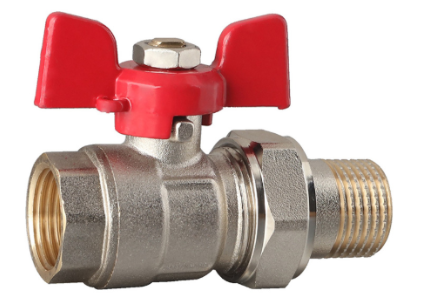
1. Simple structure
The structure of a ball valve is relatively simple, consisting of a sphere and a valve body. The sphere controls the flow of fluid through rotation. This design makes the use of ball valves very reliable, as the rotation of the ball only requires 1/4 turn to complete the fluid switch, making the operation convenient and flexible.
The structure of the ball valve is compact and occupies little space. Compared to other types of valves, ball valves have a smaller volume and are suitable for situations where installation space is limited. This characteristic makes ball valves widely used in engineering projects and pipeline systems.
2. Easy to operate
The ball valve is easy to operate. The operating rod or handle of the ball valve can be easily rotated, allowing for easy on/off operation even under high pressure or large diameter conditions. This enables the ball valve to respond quickly in emergency situations, ensuring the safety and normal operation of the system.
3. Sealed well
Ball valves have good sealing performance. The sealing ring of ball valves is usually made of reliable elastic materials, which can effectively prevent fluid leakage. Under conditions of high temperature, high pressure, or corrosive media, ball valves can maintain good sealing performance to ensure the stable operation of the system.
4. Low flow resistance
The fluid resistance of ball valves is low. The ball of a ball valve has a large diameter, which reduces the resistance when fluid passes through, ensuring fast fluid flow, reducing energy loss, and improving system efficiency.
5. Wide applicability
Ball valves have a wide range of applications. Ball valves are suitable for various media, including liquids, gases, and vapors. They are suitable for different industrial fields, such as petrochemicals, power, metallurgy, pharmaceuticals, etc., to meet the fluid control needs under different working conditions.
When choosing a ball valve, the following factors need to be considered: pressure rating, medium type, temperature range, fluid flow direction, valve size and material, etc.
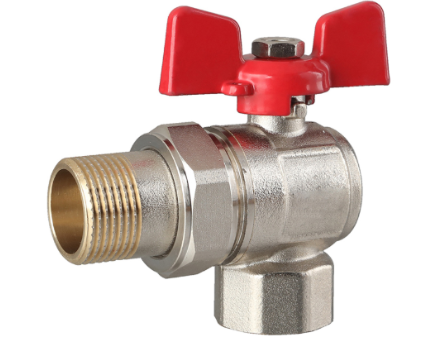
1. Pressure level
Select the appropriate ball valve based on the pressure level of the system. The pressure rating of the ball valve should match the working pressure of the pipeline system to ensure the reliability and safety of the valve.
2. Media type
Select the appropriate ball valve based on the type of medium. Different media have different material and sealing requirements for valves, such as acidic and alkaline media, corrosive media, or high-temperature media. Therefore, it is necessary to choose the corresponding ball valve material and sealing material.
3. Temperature range
Select the appropriate ball valve based on the temperature range. Under high or low temperature conditions, the material and sealing material of the ball valve need to have corresponding temperature resistance performance to ensure the normal operation and sealing performance of the valve.
4. Fluid flow direction
The flow direction of the fluid is also an important consideration when choosing a ball valve. Select a suitable ball valve structure based on the direction of fluid flow to ensure the fluid control effect of the valve.
5. Valve size
Select the appropriate ball valve based on the size of the pipeline. The size of the ball valve should match the inner diameter of the pipeline to ensure fluid flow and flow control.